Translog Lojistik Ticaret Ltd. Şti.

Sea Transport

Heavy Cargo and Project Shipments

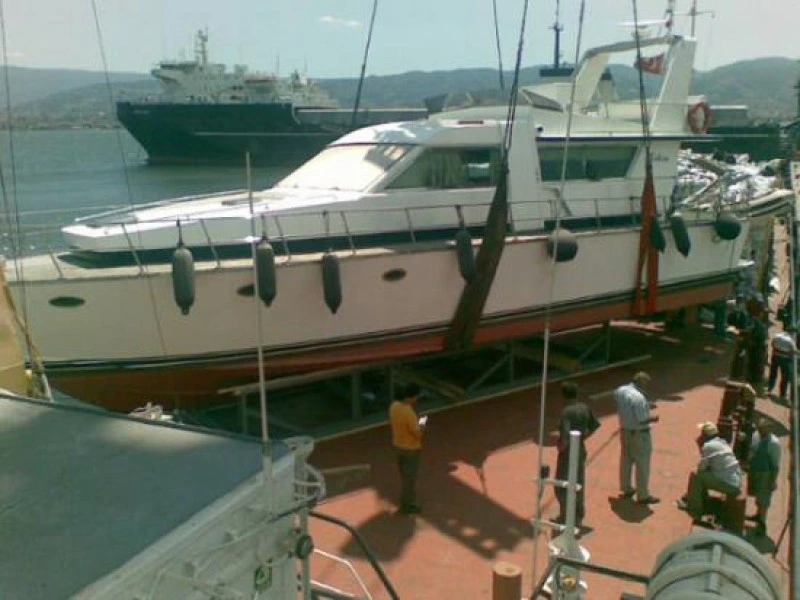
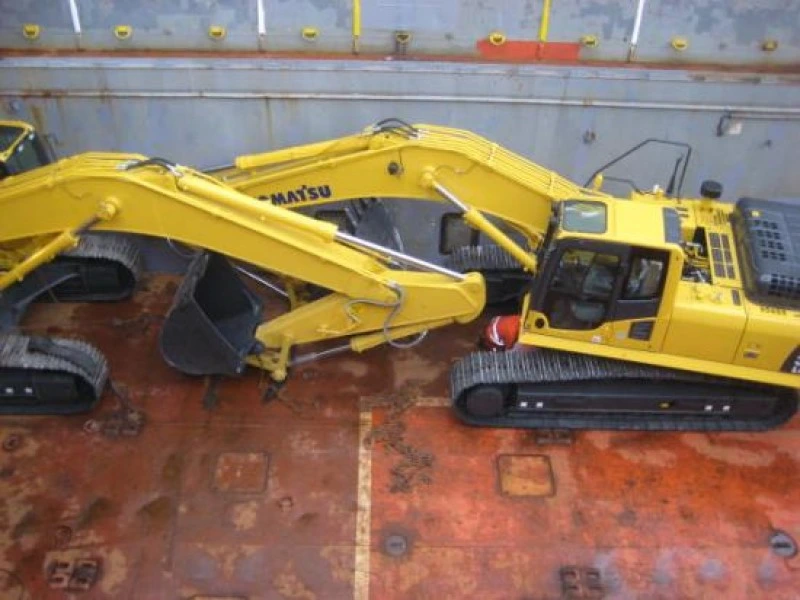
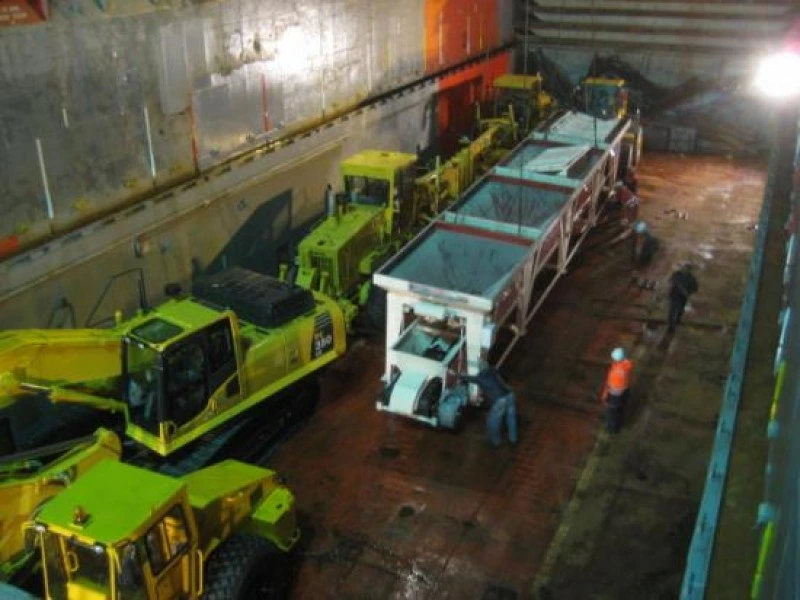
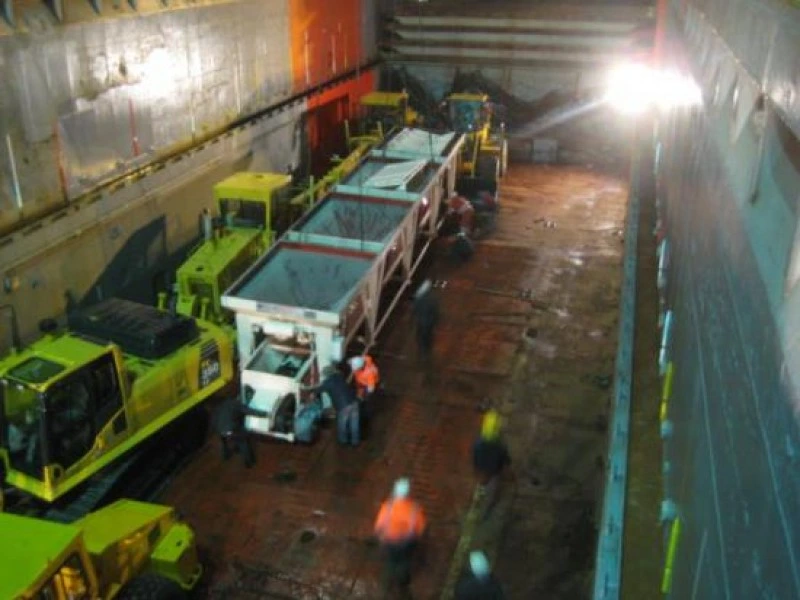
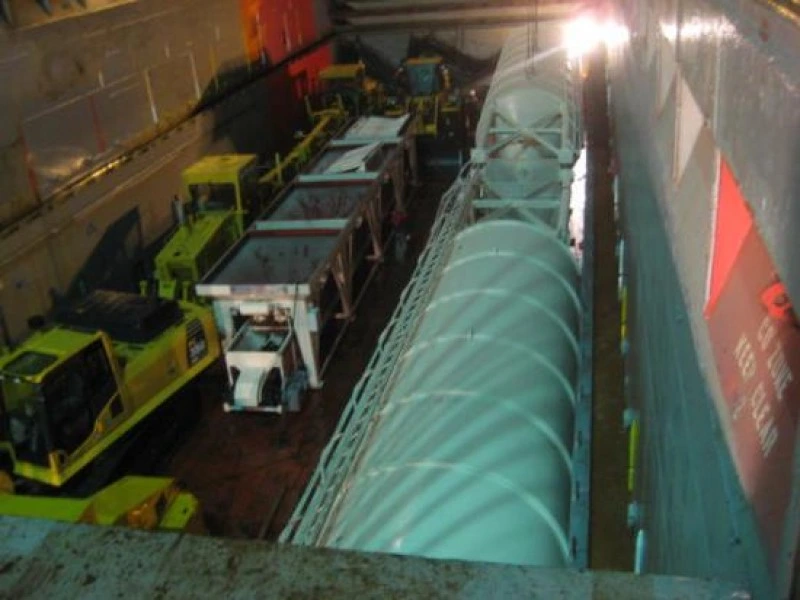
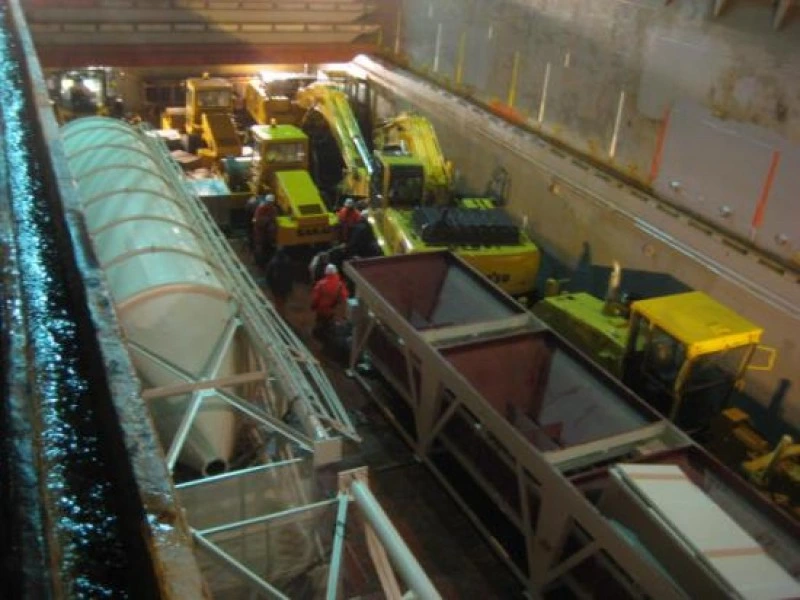
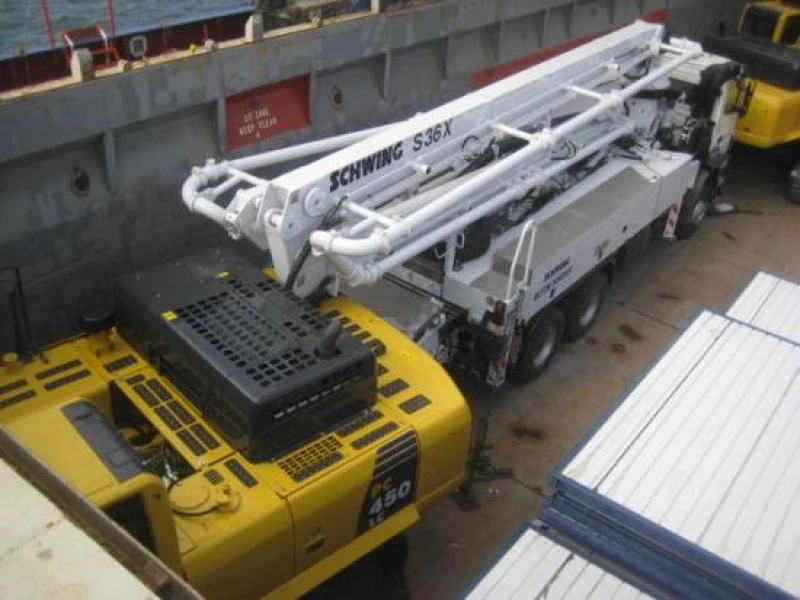
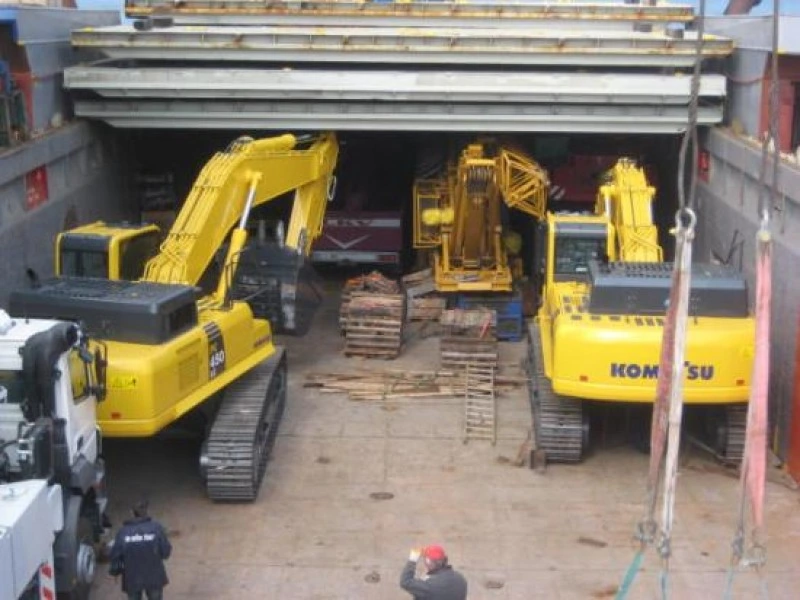
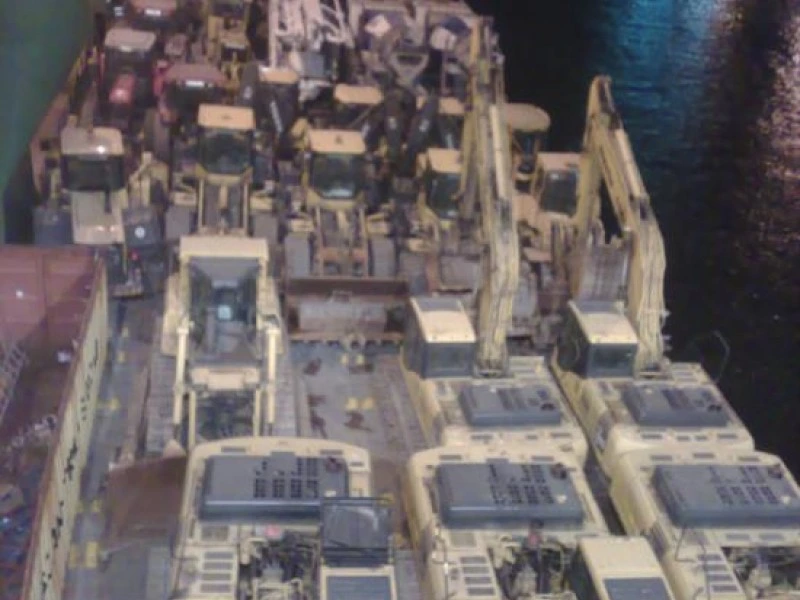
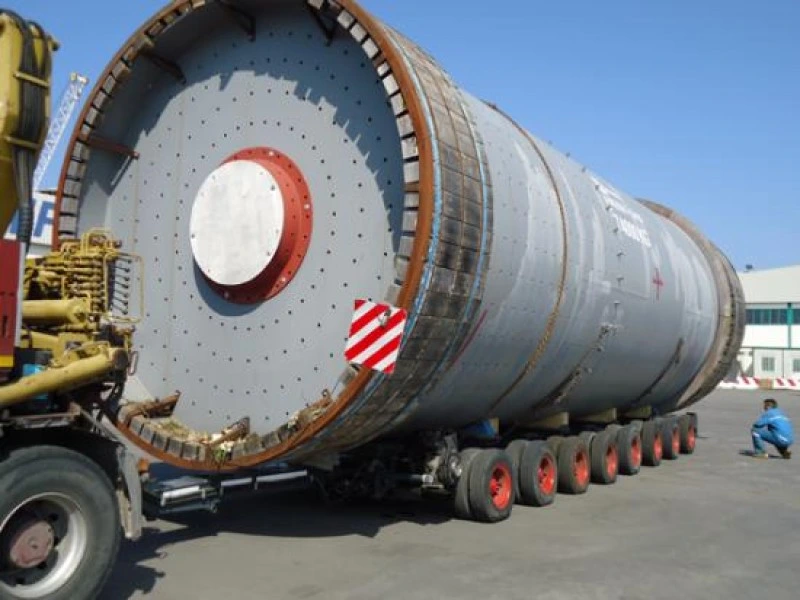
Translog specialises in sea transport for heavy and project cargo such as machinery, barges, tugboats, yachts, transformers, various cranes, construction materials and asphalt plants.

Vessel selection suited to cargo weight and volume is combined with loading, lashing and discharge operations planned under survey supervision.

Integrated Services

  • Part charter and full charter vessel arrangements
  • Loading and discharge under survey supervision
  • Cargo securing and port operations
  • Transport to the Caspian Sea using river–sea vessels
  • Intermodal solutions with road and rail connections

Project Cargo Transport by Sea

Sea transport of heavy and bulky industrial cargo requires vessels, ports and road connections to be planned together. Translog provides transport solutions for project cargo such as machinery, transformers, cranes, construction materials and asphalt plants, as well as barges, tugboats and yachts.

Loading methods, space requirements and discharge conditions differ for each cargo. Transport options are therefore assessed using individual dimensions and technical requirements alongside total weight. Port equipment and the suitability of loading and discharge areas are decisions linked to vessel selection.

Translog's approach to sea transport considers cargo together with its origin and delivery points. If an industrial project requires more than one transport method, different stages can be assessed together through project cargo transport services.


Part Charter and Full Charter Options

Vessel chartering requirements depend on cargo quantity, space requirements and shipment conditions. Part charter refers to arrangements using part of a vessel's cargo space; full charter refers to chartering the entire vessel. The appropriate option is determined using cargo and route information.

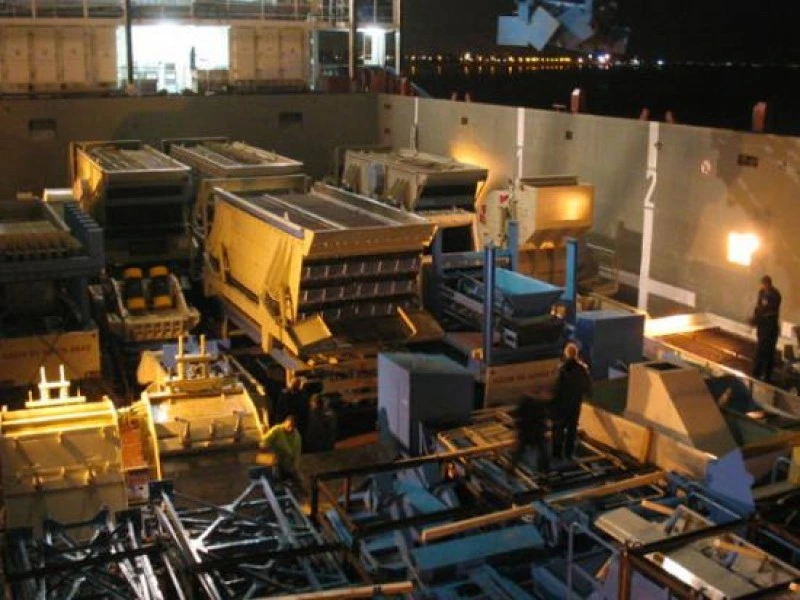
For project cargo, the dimensions of the loading space and loading method are as important as vessel capacity. One large item and a shipment consisting of many differently sized items may require different preparations even if their total weight is the same. A clear, detailed cargo list is therefore essential.

Sailing and vessel availability are confirmed separately during planning. The loading port, discharge port and expected dates are considered together to assess feasible transport options. On routes such as Caspian Sea transport that require river–sea connections, vessel dimensions must also be compatible with the route.

Loading, Lashing and Discharge Coordination

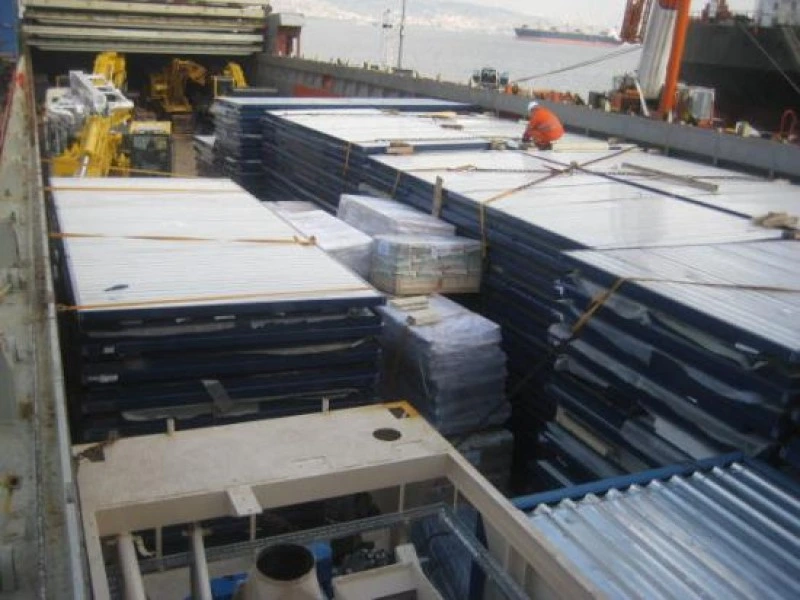
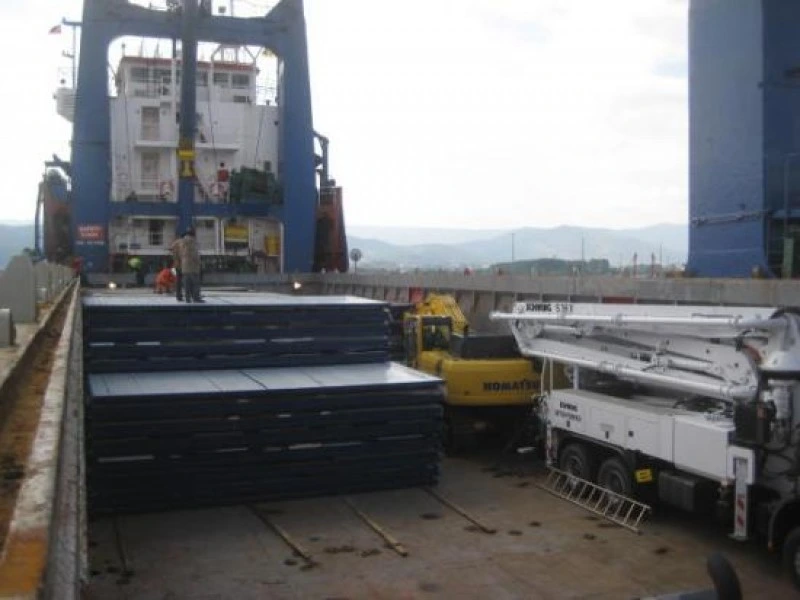
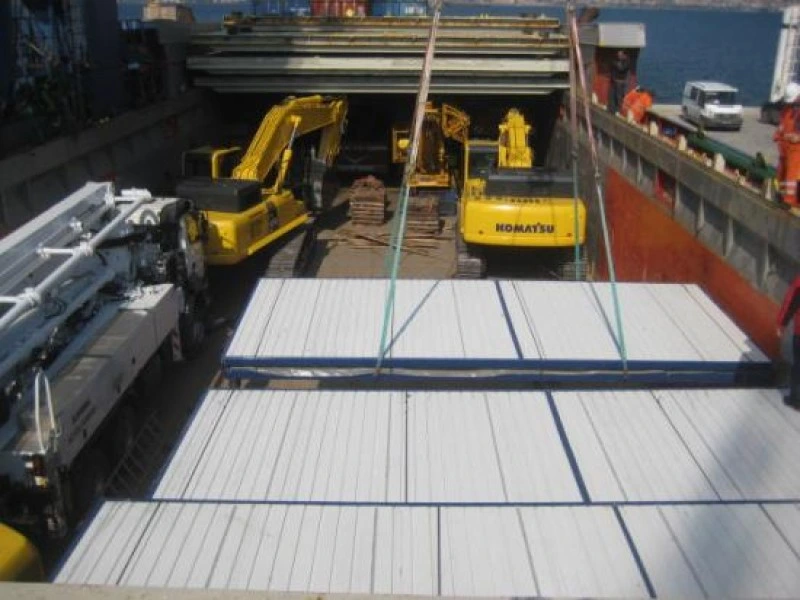
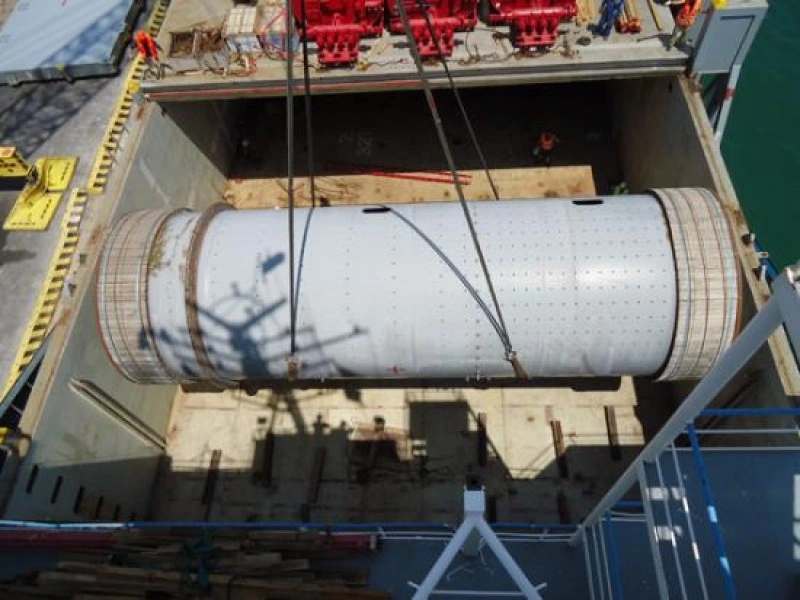
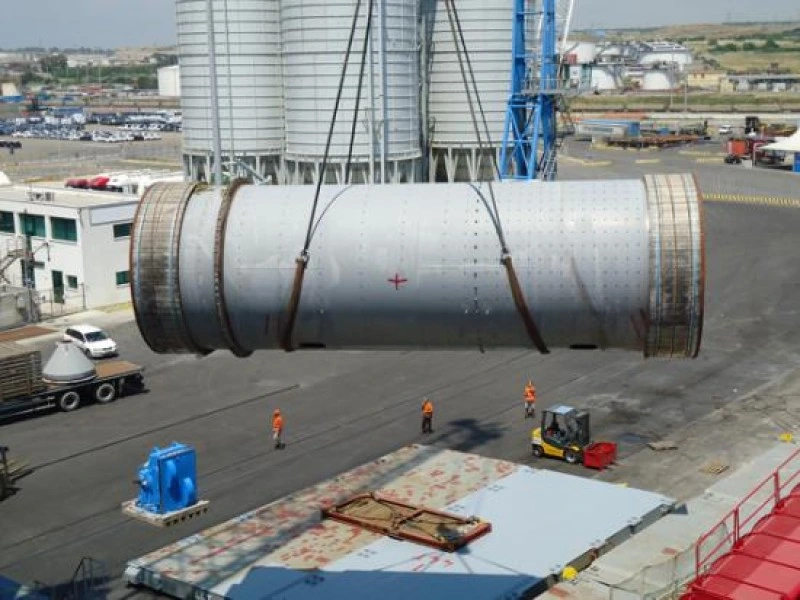
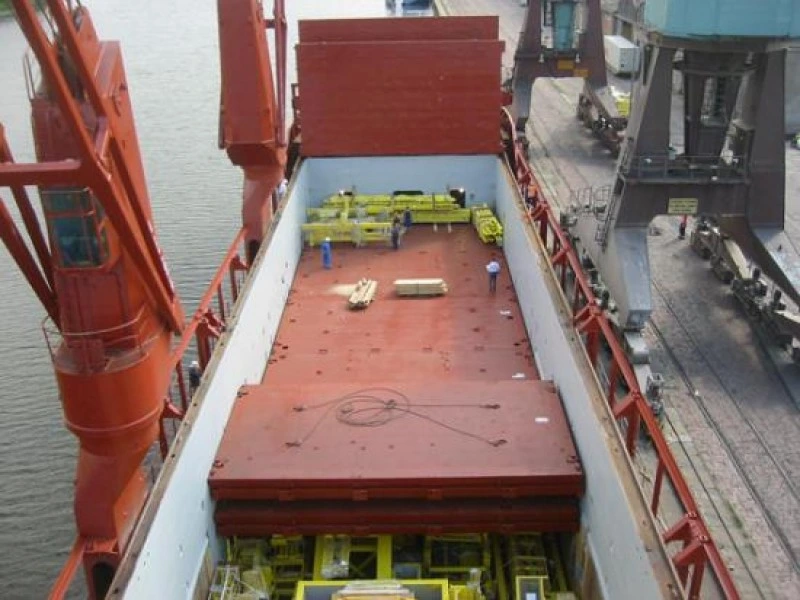
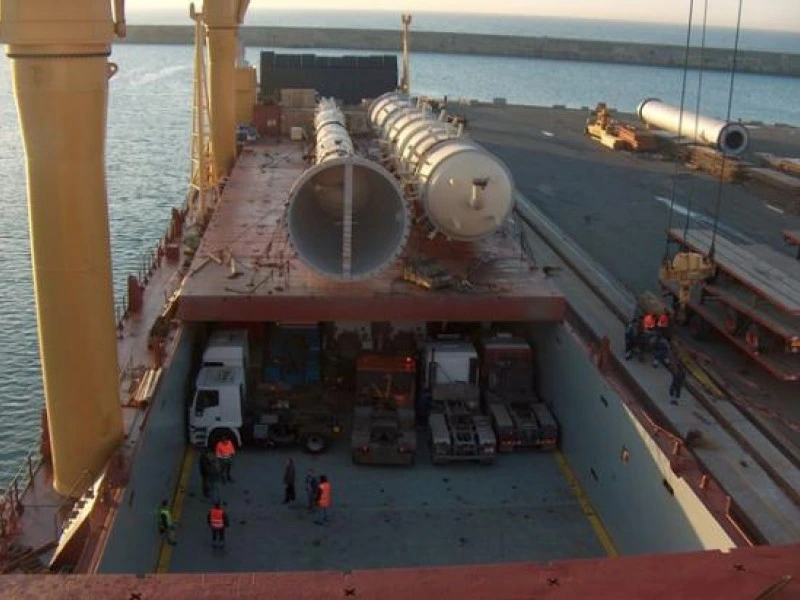
Loading heavy cargo aboard a vessel and discharging it at the destination port are key stages of the transport plan. Lifting equipment, cargo positioning and securing requirements are assessed together before the operation. Translog's sea transport services plan loading, lashing and discharge under survey supervision.

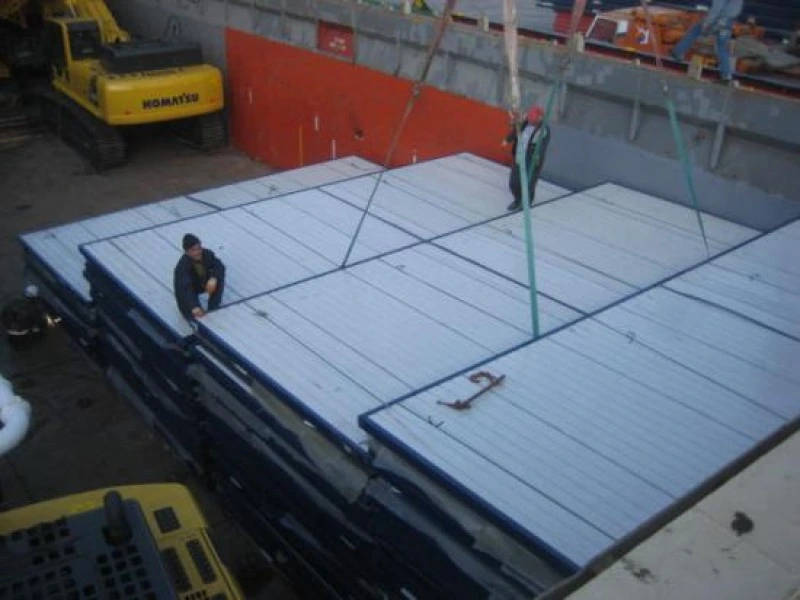
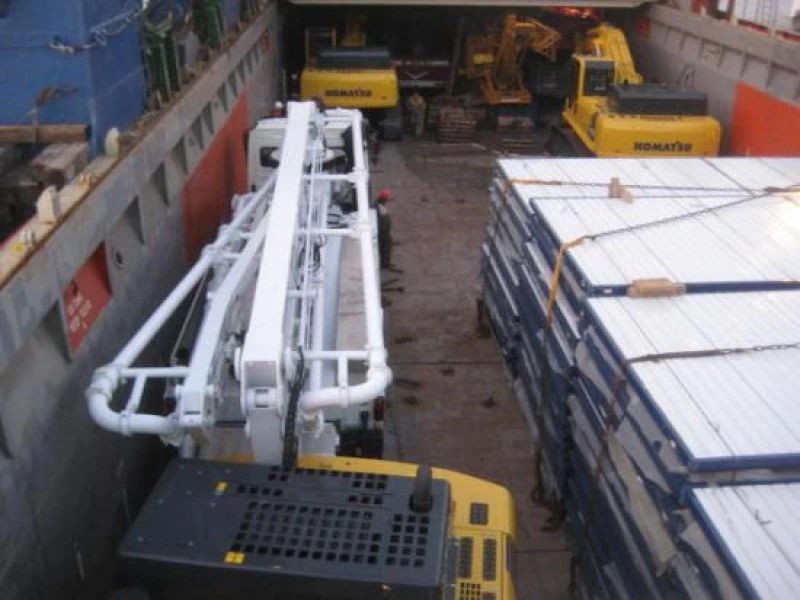
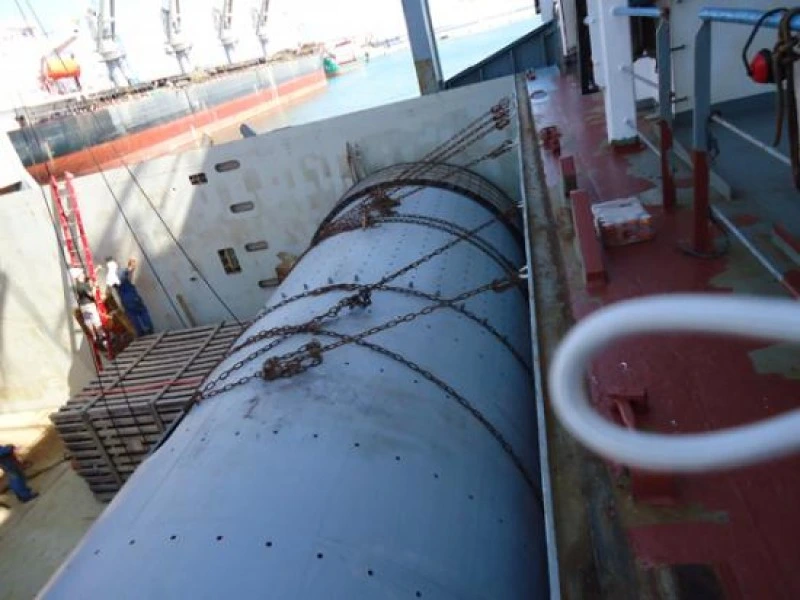
Lashing covers securing procedures designed to limit cargo movement during transport. The appropriate arrangement depends on cargo shape and weight and is linked to its positioning aboard the vessel. Port services address handling, storage and securing needs according to the shipment conditions.

If the cargo needs to be transported to the loading port or onward to the consignee after discharge, road connections and, where needed, rail options are also considered. Port-to-port movement is therefore planned in coordination with the other stages of the shipment.

Cargo Information for Sea Transport Planning

The origin and destination ports, cargo type, piece count, weights and dimensions form the basis of a sea transport enquiry. Cargo photographs, technical drawings and packaging details help assess vessel space and loading methods. Please also state whether items can be stacked.

Please explain how the cargo will reach the port and mention any storage or additional transport requirements at the delivery address from the outset. If the shipment needs to meet a particular project milestone, stating the expected date helps the team consider alternatives together.

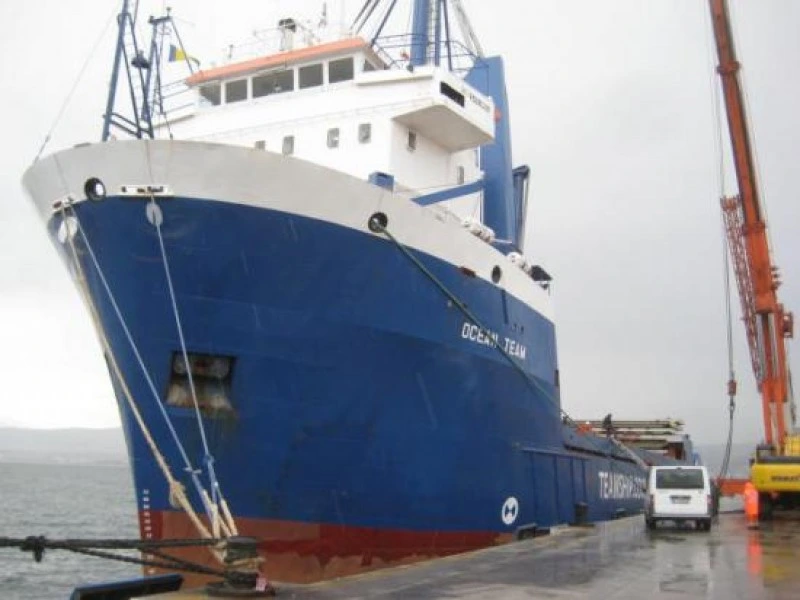
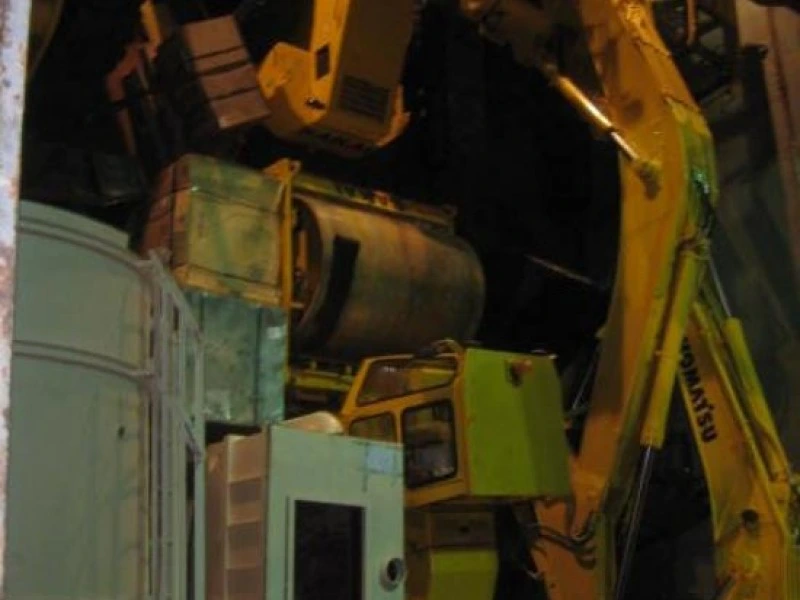
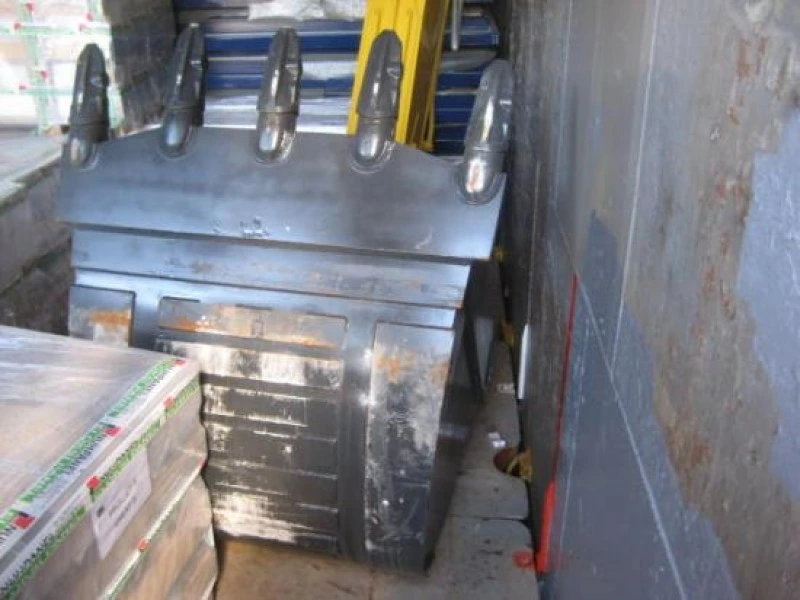
Freight and operating costs vary with the vessel option, route, cargo characteristics and port services. Contact our operations team to share your enquiry. The actual operation photographs below illustrate different loading and transport conditions for project cargo.
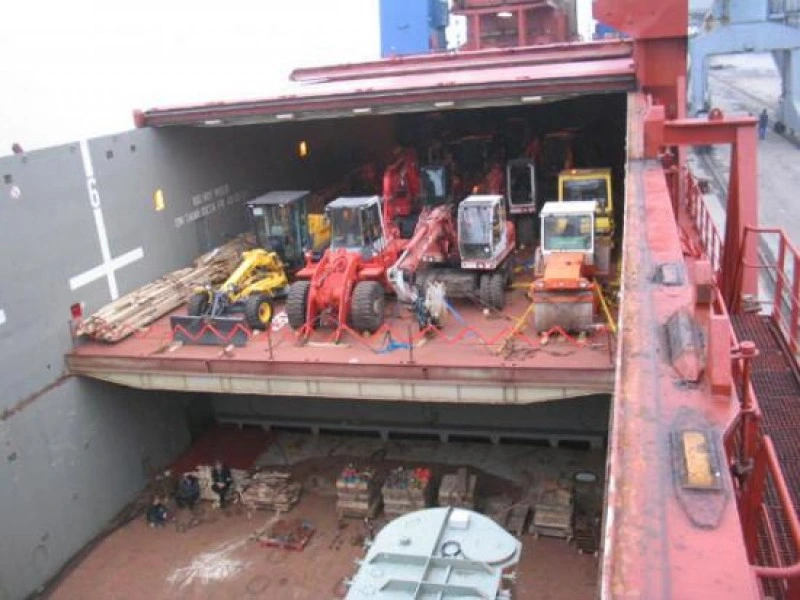
OUR OPERATIONS

Actual Operation Photographs

Translog Project Cargo operation 1
Project Cargo · 1
Translog Project Cargo operation 2
Project Cargo · 2
Translog Project Cargo operation 3
Project Cargo · 3
Translog Project Cargo operation 4
Project Cargo · 4
Translog Project Cargo operation 5
Project Cargo · 5
Translog Project Cargo operation 6
Project Cargo · 6
Translog Project Cargo operation 7
Project Cargo · 7
Translog Project Cargo operation 8
Project Cargo · 8
Translog Project Cargo operation 9
Project Cargo · 9
Translog Project Cargo operation 10
Project Cargo · 10
Translog Project Cargo operation 11
Project Cargo · 11
Translog Project Cargo operation 12
Project Cargo · 12
Translog Project Cargo operation 13
Project Cargo · 13
Translog Project Cargo operation 14
Project Cargo · 14
Translog Project Cargo operation 15
Project Cargo · 15
Translog Project Cargo operation 16
Project Cargo · 16
Translog Project Cargo operation 17
Project Cargo · 17
Translog Project Cargo operation 18
Project Cargo · 18
Translog Project Cargo operation 19
Project Cargo · 19
Translog Project Cargo operation 20
Project Cargo · 20
Translog Project Cargo operation 21
Project Cargo · 21
Translog Project Cargo operation 22
Project Cargo · 22
Translog Project Cargo operation 23
Project Cargo · 23
Translog Project Cargo operation 24
Project Cargo · 24
Translog Project Cargo operation 25
Project Cargo · 25